 Bilal Khan
 When organizing any public gathering whether a high-energy music festival, an endurance sporting competition, a corporate conference, or a local community parade event success is ultimately measured by the safety and well-being of every participant. While venue logistics, stage entertainment, and crowd marketing naturally dominate early planning stages, establishing a robust healthcare infrastructure remains a paramount operational duty. Ensuring that qualified, experienced medical personnel are present on-site protects lives, preserves organizational reputation, and satisfies essential legal obligations.
Moving Beyond Basic First Aid
A basic first aid kit is rarely sufficient for handling the diverse health risks present at modern events. Public safety standards demand risk-proportionate healthcare planning, aligning with recognised national guidelines such as The Purple Guide. Key variables including crowd density, venue geography, ambient weather conditions, physical exertion levels, and alcohol sales dictate the exact tier of clinical support required on the day.
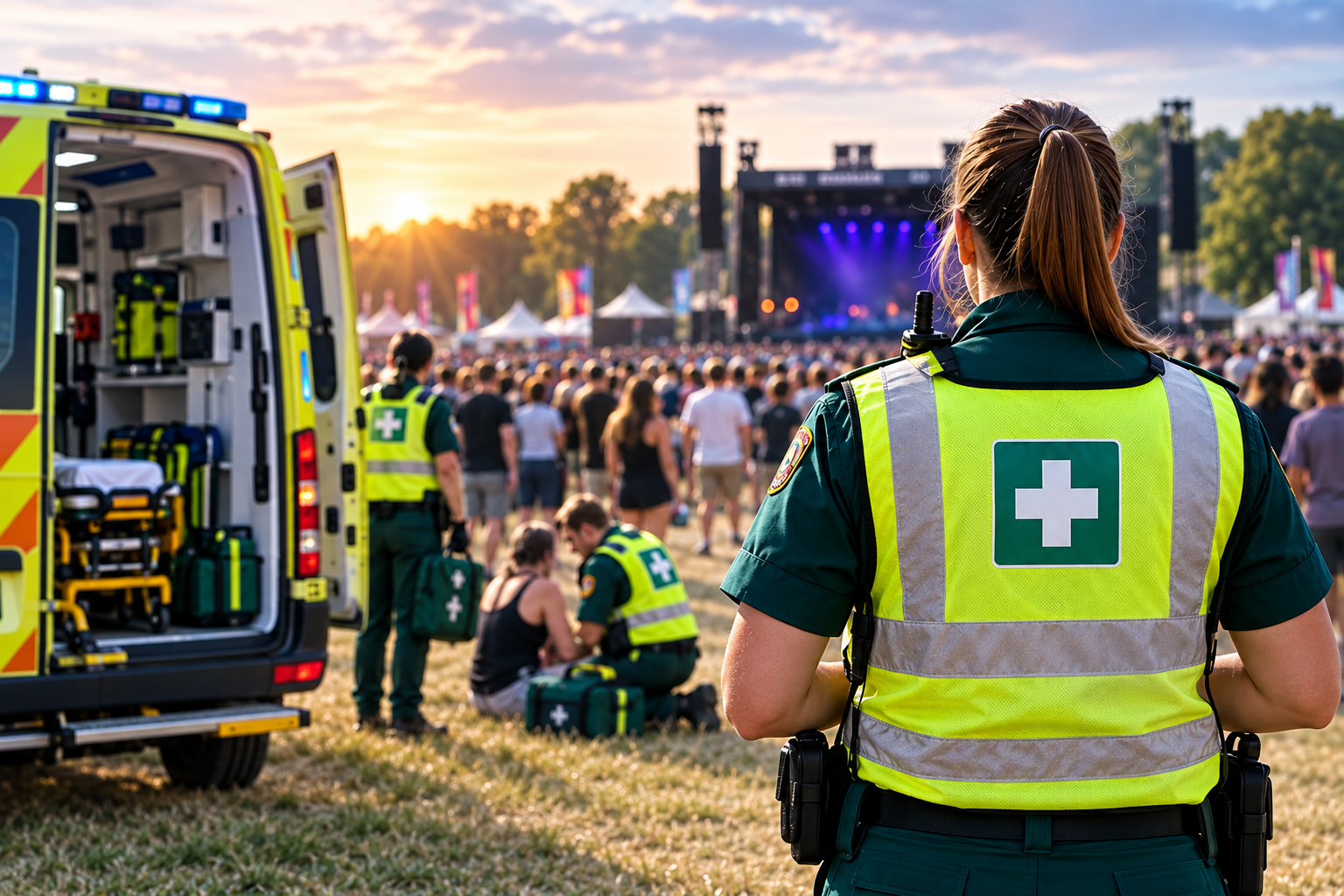
Securing comprehensive event medical services provides organisers with scalable healthcare solutions tailored precisely to their specific risk profile. Leading providers deploy multi-disciplinary teams comprising FREC-trained emergency responders, HCPC-registered paramedics, registered nurses, and event doctors. Furthermore, utilizing specialized resources—such as cycle response teams, off-road 4×4 response vehicles, and fully equipped emergency ambulances ensures rapid clinical intervention across complex, crowded, or expansive event sites.
Reducing Strain on Local NHS Infrastructure
A major operational benefit of professional event medical cover is localised patient care. Establishing dedicated, purpose-built medical treatment centres directly on-site allows clinical teams to perform rapid triage, administer advanced first aid, provide immediate medication, and monitor patients comfortably on location.
By treating minor lacerations, heat exhaustion, sprains, and sudden medical ailments on-site, experienced clinicians safely discharge the vast majority of patients without requiring off-site transport. This self-contained approach significantly reduces unnecessary hospital admissions, alleviating pressure on local NHS ambulance trusts and accident and emergency departments while keeping event operations running smoothly.
Licensing, Compliance, and Risk Management
Local councils, licensing authorities, and venue management teams mandate comprehensive medical plans before issuing event permits. Partnering with an established, accredited medical provider simplifies this complex regulatory approval process.
Professional teams work alongside organisers during the pre-event phase to conduct thorough risk assessments, formulate emergency action plans, and establish clear radio communication protocols and blue-light access corridors. Ensuring all medical staff are thoroughly vetted, enhanced DBS-checked, and backed by comprehensive medical indemnity and public liability insurance guarantees that all statutory duty-of-care requirements are completely met.
Protecting Reputation and Delivering Peace of Mind
During a medical incident, rapid decision-making and immediate clinical care are crucial. Having qualified medical professionals strategically positioned across a venue ensures swift response times when every second counts. Beyond emergency management, a visible, highly trained medical team instils confidence in attendees, staff, artists, and local authorities alike.
Ultimately, prioritising expert healthcare support transforms safety from a routine compliance checklist item into a core pillar of successful event management, ensuring every gathering is remembered for all the right reasons.
For the latest updates and information, keep checking SimpCity.