 simpcity
 Small gardens, patios and balconies have become some of the most important areas of the modern home. Even when outdoor space is limited, people are finding ways to create small green corners that feel calm, personal and connected to nature.
One of the most popular inspirations for these spaces is the Mediterranean style. Terracotta pots, natural stone, warm colours, herbs, citrus plants and olive trees all bring to mind relaxed outdoor living, sunny terraces and timeless garden design.
Not every home has room for a full-size olive tree, but that does not mean the atmosphere is impossible to recreate. For many plant lovers, bonsai offers a more compact and manageable way to bring the character of a mature tree into a small space.
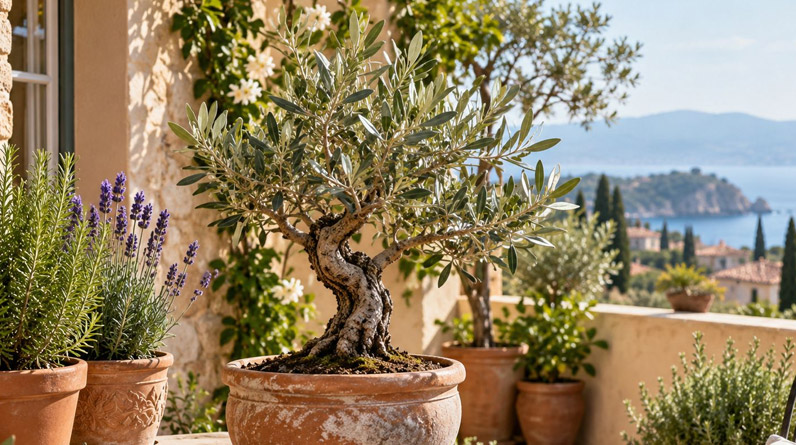
An olive bonsai can be especially effective because it combines the symbolism and beauty of the olive tree with the discipline of miniature cultivation. It can sit on a balcony table, a patio shelf or a sheltered garden corner, adding structure and personality without taking over the space.
For anyone who wants to bring a Mediterranean feeling into a balcony, patio or compact garden, an olive bonsai can offer the character of an ancient tree in a much smaller and more manageable form.
Why Olive Bonsai Suits Small Outdoor Spaces
The olive tree has a strong visual identity. Its silvery-green leaves, textured bark and sculptural branches make it instantly recognisable. In bonsai form, these qualities become even more noticeable because the plant is reduced in size while retaining the impression of age and strength.
This makes olive bonsai suitable for many types of outdoor spaces. It can work in a rustic garden, a modern balcony, a Mediterranean-style terrace or a simple urban patio. It pairs well with terracotta containers, wooden furniture, stone surfaces and aromatic herbs such as rosemary, thyme and lavender.
Unlike some decorative plants that are chosen only for flowers or colour, an olive bonsai brings year-round interest. Its shape, foliage and trunk can remain attractive throughout the seasons. With the right care, it becomes more than a temporary decoration; it becomes part of the identity of the space.
The Importance of Light and Position
Position is one of the first things to consider when caring for an olive bonsai. Olive trees naturally enjoy bright conditions, so a location with plenty of light is usually preferable. A balcony, terrace or patio that receives good daylight can be a suitable place, provided the plant is protected from extreme weather.
A dark or poorly ventilated corner is not ideal. Like many Mediterranean plants, olive bonsai needs light to maintain healthy foliage and steady growth. However, very harsh conditions can also be stressful, especially when the plant is grown in a small container.
The best position is often a sheltered but bright spot. This allows the plant to benefit from light and air while avoiding unnecessary stress from strong wind, excessive heat or sudden cold.
Watering Without Overdoing It
Watering is another essential part of care. One of the most common mistakes with potted plants is watering too often. Because bonsai trees grow in small containers, it can be tempting to check them constantly and add water before it is needed.
The better approach is to observe the substrate. The soil should not be left completely dry for too long, but it should also not remain constantly wet. Roots need both moisture and air. If the soil stays saturated, the plant may begin to suffer.
Seasonal changes also matter. During warmer months, watering may be needed more frequently. During cooler periods, the plant may use less water. A fixed schedule is not always the best solution; the routine should adapt to the plant and the conditions.
Choosing the Right Container and Soil
The container is not only an aesthetic choice. It affects drainage, root health and the overall balance of the bonsai. A suitable pot should allow excess water to escape, helping prevent water from collecting around the roots.
The growing medium should support the plant while allowing air and water to move correctly. If the substrate becomes too compact, roots may struggle to function well. Over time, repotting may be needed to refresh the growing environment and keep the plant healthy.
For small-space gardeners, this is an important point. A beautiful pot can improve the look of the balcony or patio, but it must also be practical. Style and plant health should work together.
Feeding and Balanced Growth
Bonsai cultivation is not about forcing rapid growth. The aim is to maintain a healthy tree in miniature form, with balanced development and a natural appearance. Feeding should therefore be moderate and adapted to the plant’s needs.
An olive bonsai may benefit from a thoughtful nutrition routine during the growing season, but too much feeding can encourage excessive growth. This can disturb the proportions of the tree and make maintenance more difficult.
Balanced care means looking at the full picture: light, water, soil, drainage, pruning and nutrition. When these elements work together, the plant is more likely to develop in a stable and attractive way.
Pruning and Shaping Over Time
Pruning is one of the most recognisable parts of bonsai care. It helps maintain the shape of the tree and encourages a more refined structure. With olive bonsai, pruning should be done gradually and carefully.
Small adjustments over time are usually better than drastic cuts. The goal is to guide the plant, not force it into an unnatural form. A good bonsai should still look alive, organic and balanced.
Clean tools are important, and dry or weak growth should be removed when necessary. Shaping is a slow process, and patience is part of the appeal. The tree changes gradually, responding to care across months and seasons.
Creating a Mediterranean Corner at Home
An olive bonsai works especially well as part of a wider Mediterranean-inspired setting. It can be combined with herbs, flowering plants and simple natural materials to create a relaxing outdoor corner.
A small wooden table, a terracotta pot, a stone planter or a few aromatic plants can completely change the mood of a balcony. The space does not need to be large. What matters is the harmony between plants, materials and light.
This kind of design is also practical. A compact green corner can become a place to read, drink coffee, relax after work or simply enjoy a quiet moment outdoors. Even in a city apartment, a few well-chosen plants can make the home feel softer and more personal.
A Plant with Long-Term Character
One of the most interesting aspects of bonsai is that it develops over time. It is not a plant that looks exactly the same from one season to the next. Its trunk, branches and foliage gradually reflect the care it receives.
This makes olive bonsai different from ordinary decoration. It invites attention and rewards consistency. For people who enjoy gardening but have limited space, it offers a satisfying long-term project.
The plant may be small, but the feeling it creates can be surprisingly strong. It brings a sense of age, landscape and tradition into a compact setting.
Final Thoughts
Olive bonsai is a beautiful option for anyone looking to add Mediterranean character to a small garden, balcony or patio. It offers the presence of an ancient tree in a compact form, making it ideal for modern homes where space is often limited.
With good light, careful watering, suitable soil and gentle pruning, it can become a distinctive feature that grows in character year after year.
Small outdoor spaces do not need to feel empty or ordinary. With thoughtful plant choices, even a balcony or compact patio can become a personal green retreat. An olive bonsai is one of the simplest ways to bring that timeless Mediterranean feeling into everyday home life.
For the latest updates and information, keep checking SimpCity.