 simpcity
 Choosing to change your smile can be a significant decision. Whether someone is considering composite bonding, veneers or another cosmetic dental treatment, one of the biggest questions is often simple: what could my new smile actually look like?
Digital Smile Design is helping dentists answer that question before treatment begins.
What Is Digital Smile Design?
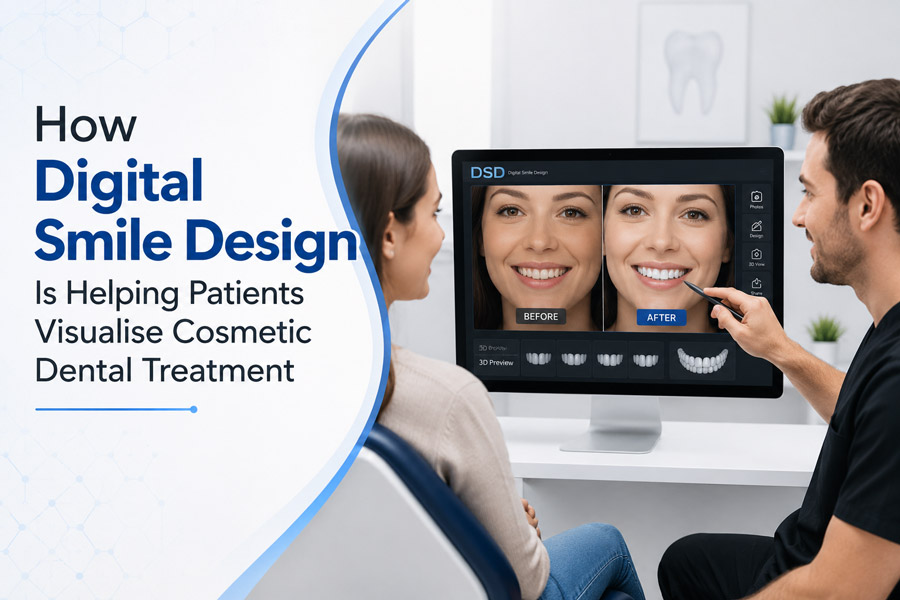
Digital Smile Design, often shortened to DSD, uses digital images, scans and specialist software to help plan potential changes to a patient’s smile.
Rather than looking at the teeth in isolation, digital planning can consider factors such as tooth shape, proportions, symmetry and how the teeth relate to the patient’s lips and facial features.
Some modern systems are also incorporating artificial intelligence to automate elements of smile analysis and design. Research suggests AI-assisted smile design can provide useful and increasingly sophisticated tools for dental professionals, although clinical judgement remains essential.
Seeing Potential Changes Before Treatment
One of the biggest advantages of digital smile technology is visualisation.
Patients have traditionally relied on explanations, photographs and examples of previous cases when discussing cosmetic treatment. Digital Smile Design can allow a dentist to create a visual representation of a proposed smile, making the conversation much easier to understand.
This doesn’t mean a digital simulation guarantees the exact final result. Instead, it provides a useful tool for discussing possibilities, preferences and realistic expectations.
Research into Digital Smile Design has found benefits including improved communication, patient satisfaction and treatment acceptance compared with conventional approaches.
Making Cosmetic Dentistry More Personal
Every smile is different, which is why cosmetic dentistry shouldn’t simply involve choosing a standard shape or style of tooth.
Digital planning gives dentists another way to involve patients in the decision-making process.
For practices such as Manor House Dental, digital technology can complement the dentist’s experience when discussing cosmetic dental options and helping patients understand what may be achievable.
A patient might prefer a subtle improvement that maintains the natural character of their smile, while another may want a more noticeable transformation. Being able to visualise and discuss these preferences can help create a more collaborative consultation.
Technology Supporting Clinical Expertise
Digital dentistry continues to develop rapidly, and AI is likely to become an increasingly important part of treatment planning.
However, technology doesn’t replace the dentist.
Oral health, bite, tooth structure and treatment suitability still need to be assessed by a qualified dental professional. Digital Smile Design simply provides dentists and patients with another valuable tool for planning treatment.
For patients considering cosmetic dentistry, that could mean entering treatment with a much clearer understanding of the smile they are working towards.
For the latest updates and information, keep checking SimpCity.