 simpcity
 Artificial intelligence is changing industries ranging from finance to manufacturing, and dentistry is no exception. In cosmetic dentistry, AI-assisted technology is beginning to influence how dentists assess patients, plan treatments and help people visualise potential changes to their smile.
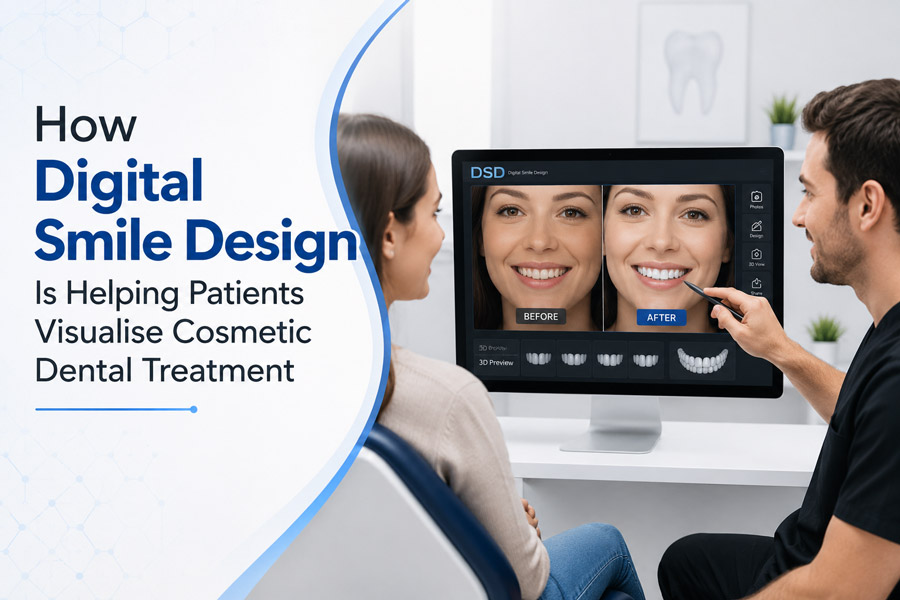
One of the most interesting developments is the combination of AI and Digital Smile Design.
Visualising a Smile Before Treatment
Traditionally, patients considering treatments such as composite bonding, veneers or orthodontics have had to rely heavily on explanations, photographs and examples of previous results.
Digital smile technology can provide another option.
Using photographs, digital scans and information about a patient’s teeth and facial features, modern software can help dental professionals create a digital simulation of how a smile could potentially look following treatment.
AI can assist with analysing factors such as tooth shape, proportions, symmetry and the relationship between the teeth, lips and face.
Importantly, these simulations should be viewed as visualisation and treatment-planning tools rather than guarantees of a final result. The dentist’s clinical judgement remains essential.
More Personalised Treatment Planning
AI also has the potential to make dental planning increasingly data-driven.
Rather than approaching every smile in the same way, digital systems can help dentists analyse individual characteristics and explore different treatment possibilities.
For patients considering cosmetic treatment, this can make consultations more interactive. Instead of simply being told what might be possible, patients may be able to see and discuss a proposed smile with their dentist before deciding whether to proceed.
Practices such as Oldbury Smile Spa are part of a wider movement towards digitally supported cosmetic dentistry, where technology can complement the experience and judgement of dental professionals.
AI Isn’t Replacing the Dentist
Despite rapid advances in artificial intelligence, cosmetic dentistry remains both a clinical and aesthetic discipline.
Software can analyse information and generate simulations, but it cannot independently determine whether a treatment is clinically appropriate. Factors such as oral health, bite, tooth structure and long-term treatment suitability still require assessment by a qualified dental professional.
The more realistic future is therefore not AI replacing dentists, but dentists using AI and digital technology to make better-informed decisions and communicate treatment possibilities more clearly.
As the technology develops, cosmetic dentistry is likely to become increasingly digital, giving both dentists and patients more information when planning something as personal as a new smile.
For the latest updates and information, keep checking SimpCity.